 Italia
1Rome's Unique Pizza Identity
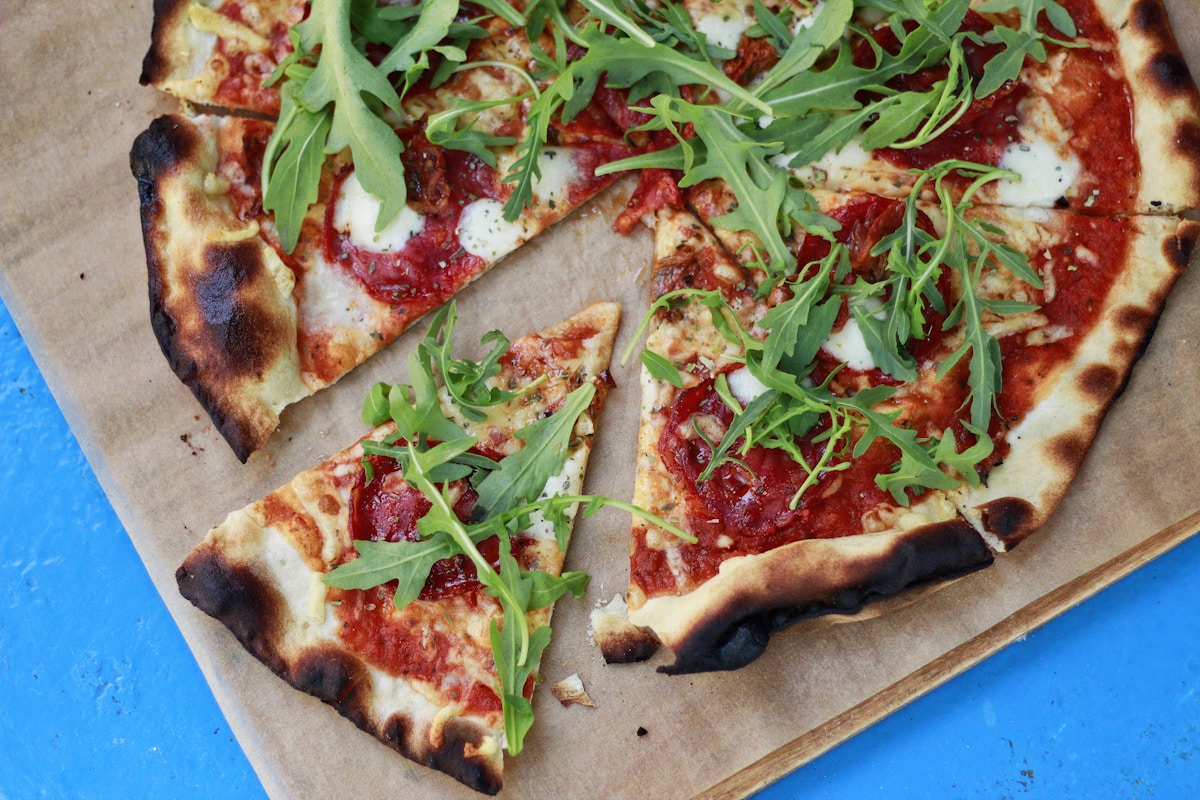
While Naples gets the historical glory, Rome has quietly built one of the most dynamic and innovative pizza scenes in the world. The city's contribution to pizza culture is enormous: pizza al taglio (by the cut), pizza tonda romana (thin and crispy round), and a growing movement of high-hydration, long-fermentation artisan pizza.
Pizza al taglio is Rome's street food masterpiece — rectangular slabs sold by weight from glass-fronted counters. The best versions feature light, airy dough with a crispy bottom and creative toppings that change throughout the day. This format has been exported worldwide, but the original Roman version remains the benchmark.
Pizza tonda romana is the city's sit-down style: thin, crispy, almost cracker-like crust with minimal toppings. It's the opposite of Naples' soft, pillowy cornicione — and both are equally valid expressions of Italian pizza mastery.
2Job Market & Compensation
Rome's pizza market is massive and diverse. The city has thousands of pizzerias, forno (bakeries selling pizza), and pizza al taglio shops, creating constant demand for skilled professionals.
Salaries in Rome are higher than Naples but lower than Milan. Entry-level positions start at €1,000–€1,300/month. Experienced pizzaioli earn €1,500–€2,200/month. Head pizzaioli at acclaimed restaurants can reach €2,500–€3,000/month. Tips are less common in Italy than in the US, but some tourist-heavy areas generate decent extra income.
The tourism industry means Rome always has seasonal positions available, particularly from March to October. Year-round positions at established pizzerias offer more stability and better benefits under Italian labor contracts.
3Best Neighborhoods
Trastevere is Rome's most famous food neighborhood — atmospheric, tourist-heavy, and packed with pizzerias. The competition for staff is high, and the pace is intense, but the cultural experience is unmatched.
Testaccio and Ostiense are where many of Rome's most innovative pizzerias have set up shop. Less touristy and more local, these neighborhoods offer a more authentic working environment and a customer base that knows their pizza.
Prati (near the Vatican) and the Centro Storico serve a mix of tourists and locals. San Lorenzo and Pigneto attract a younger, university-adjacent crowd and tend to be more experimental in their pizza offerings.
The EUR district and suburban areas offer more family-oriented pizzerias with regular hours and a calmer pace — ideal for pizzaioli seeking work-life balance.
4Living in Rome
Rome is a city that rewards patience. The bureaucracy can be frustrating, public transport can be unreliable, and the summer heat is brutal. But the food, the history, the light, and the culture make it one of the most extraordinary places in the world to live and work.
Rent for a shared apartment ranges from €400–€700/month depending on the neighborhood. A room in Trastevere or the Centro Storico costs more; suburbs like Tiburtina or Magliana are more affordable. Most Romans get around by scooter or bus — having a Vespa will make your life significantly easier.
For non-Italian speakers: basic Italian is essential for working in a Roman kitchen. The workplace culture is informal but fast, and instructions come in Italian dialect. Many pizzerias will hire non-Italian speakers, but investing in language skills dramatically improves your experience and career prospects.