 España
1Barcelona's Pizza Explosion
Barcelona has seen a pizza explosion in recent years. The city's massive tourism industry (30+ million visitors annually), combined with a large Italian expat community and a local culture that embraces Mediterranean cuisine, has created perfect conditions for pizza to thrive.
The Catalan capital's pizza scene is predominantly Neapolitan-influenced, with wood-fired pizzerias popping up in every neighborhood. But Barcelona's cosmopolitan nature means you'll also find Roman al taglio, New York-style slices, and creative fusion concepts that blend Catalan ingredients with Italian technique.
The Italian community in Barcelona is one of the largest in Spain, and many pizzerias are owner-operated by Italians who bring authentic recipes and high standards. This creates a work environment that can feel surprisingly like working in Italy — but with better weather and more beach time.
2Job Market & Pay
Barcelona's pizza job market benefits from the city's tourism-driven economy. Demand is year-round, though it peaks from April to October when tourist numbers surge.
Entry-level positions start at €1,000–€1,200/month. Experienced pizzaioli earn €1,300–€1,700/month. Head pizzaioli at popular restaurants can command €1,800–€2,300/month. As in Madrid, Spanish contracts include 14 monthly payments.
Tourism-heavy areas (Las Ramblas, Gothic Quarter, Barceloneta) offer more hours and better tips but a more frenetic pace. Neighborhood pizzerias in residential areas offer calmer environments and more regular schedules.
Barcelona's pizza delivery market is strong, driven by apps like Glovo and Just Eat. This creates additional positions for pizza makers willing to work in delivery-focused operations, which often offer more flexible hours.
3Best Barrios
El Born and the Gothic Quarter are Barcelona's most atmospheric neighborhoods for pizza. Narrow medieval streets, heavy foot traffic, and a mix of tourists and locals create a vibrant setting. Competition for customers is fierce, which keeps quality high.
Gràcia is a village-within-a-city, bohemian and local-focused. Several excellent pizzerias have established loyal followings here, and the neighborhood's community feel makes it a pleasant place to work.
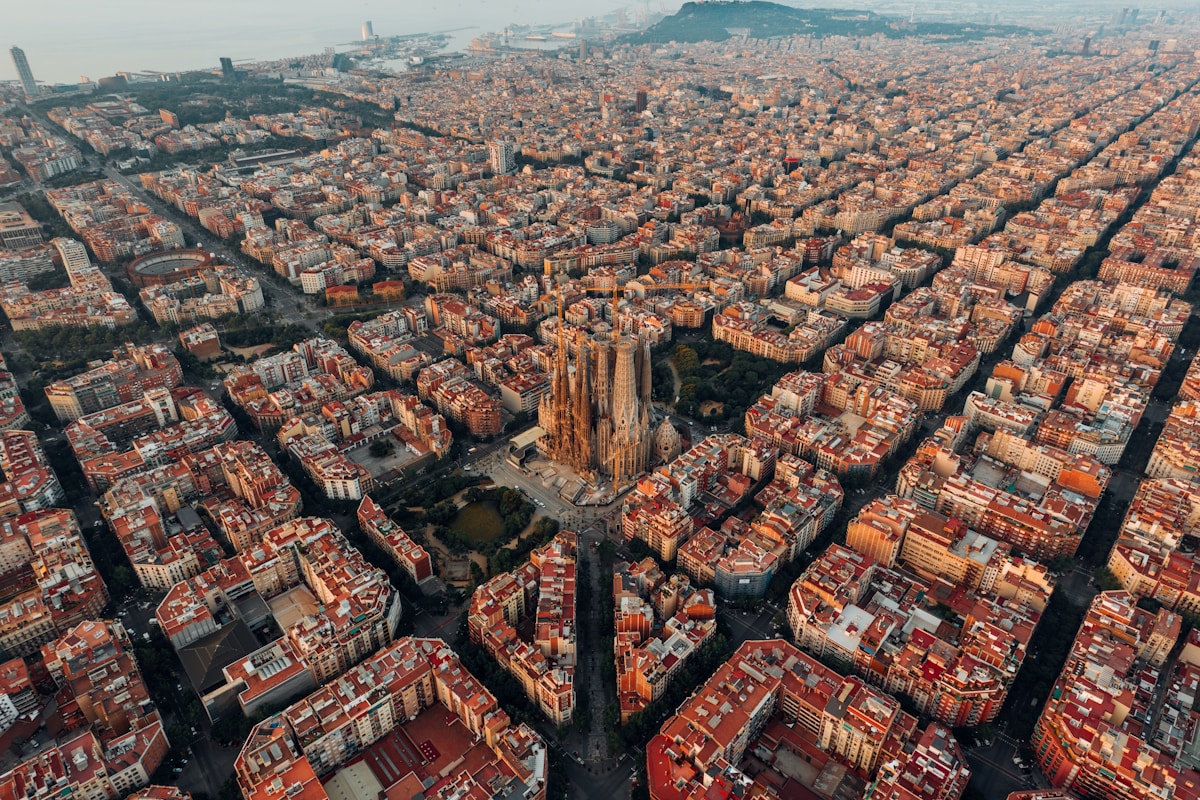
Eixample — Barcelona's grid-planned central district — offers high visibility and strong lunch and dinner traffic. Sant Antoni has emerged as a foodie neighborhood with acclaimed restaurants and pizzerias attracting a younger, food-savvy crowd.
Poblenou and the 22@ district serve Barcelona's tech and creative industries, with modern pizzerias catering to an international workforce. Barceloneta (the beach neighborhood) offers tourist-heavy, seasonal work with the bonus of being steps from the Mediterranean.
4Life in Barcelona
Barcelona consistently ranks among Europe's most livable cities, and for good reason. Mediterranean climate, beach access, incredible architecture, and a social culture that revolves around food and community — it's easy to see why many pizzaioli who arrive on a temporary basis never leave.
Rent has risen significantly in recent years. A room in a shared apartment costs €450–€750/month. Neighborhoods further from the center (Sants, Horta, Sant Andreu) offer more affordable options.
The language situation is unique: Barcelona is bilingual (Catalan and Spanish), and many kitchens also use Italian. Speaking at least basic Spanish is essential; learning some Catalan earns you cultural points with locals.
Barcelona's food scene extends far beyond pizza — access to fresh seafood, world-class produce at La Boqueria market, and a culture that treats eating as a social event rather than fuel. For a pizzaiolo, this culinary environment is endlessly inspiring.
One practical note: Barcelona's tourist apartment regulations have made long-term rentals scarce. Start your apartment search early, use local platforms like Idealista, and be prepared to provide employment documentation.