 España
1Madrid's Pizza Transformation
A decade ago, Madrid's pizza landscape was dominated by Telepizza and a handful of Italian restaurants serving pizza as an afterthought. Today, the city boasts dozens of serious, dedicated pizzerias run by Italian expats and Spanish converts to the craft. The transformation has been remarkable.
Neapolitan-style pizza leads the charge, with wood-fired ovens appearing in neighborhoods across the city. But Madrid's pizza scene isn't just copying Naples — it's adapting. Spanish ingredients (Iberian pork, piquillo peppers, Manchego cheese) are finding their way onto pizzas in creative ways that honor both traditions. Several Madrid pizzerias have been recognized in international pizza rankings, putting the city on the global pizza map.
For pizzaioli, this rapid growth means opportunity. The market is expanding faster than the talent pool, and skilled professionals — particularly those with Italian training — are in high demand.
2Job Market & Salaries
Madrid's pizza job market is growing but still developing. The city doesn't have the sheer volume of pizzerias found in Italian or American cities, but the trend is strongly upward.
Entry-level pizza cooks earn €1,000–€1,300/month. Experienced pizzaioli command €1,400–€1,800/month. Head pizzaioli at established restaurants can earn €2,000–€2,500/month. Spanish employment contracts include 14 monthly payments (two extra "pagas" per year), so annual compensation is higher than monthly rates suggest.
Spanish labor law provides strong protections: 30 days paid vacation, public healthcare, and unemployment benefits. Work hours are typically split shifts (lunch and dinner with a break), though some modern pizzerias offer continuous schedules.
Italian speakers have an advantage — many of Madrid's best pizzerias are Italian-owned, and kitchen communication often happens in Italian. Spanish is essential for daily life and customer interaction.
3Best Neighborhoods
Malasaña is Madrid's coolest neighborhood and the epicenter of its artisan pizza movement. Hip, young, and food-obsessed, this barrio has attracted several of the city's most acclaimed pizzerias. Working here means serving a clientele that appreciates quality and is willing to pay for it.
La Latina and Lavapiés offer a more multicultural, bohemian vibe with a mix of traditional and innovative eateries. Chamberí has emerged as a gastronomic hotspot with upscale pizzerias attracting a well-heeled clientele.
Salamanca is Madrid's luxury district, where pizza concepts lean toward gourmet with premium pricing and elegant presentation. Retiro and Conde de Casal are more residential, offering neighborhood-focused pizzerias with loyal, regular customers.
The business districts around AZCA and Castellana serve the corporate lunch crowd — high volume, predictable hours, and decent compensation.
4Living in Madrid
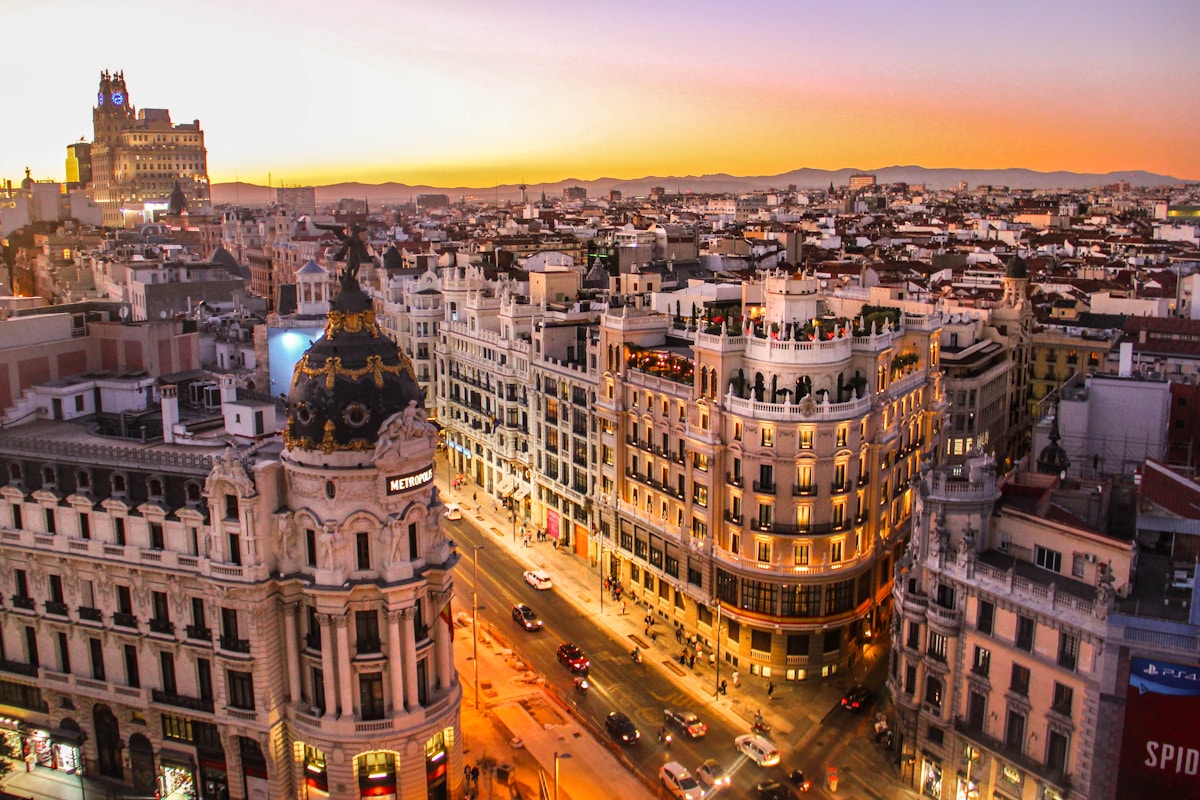
Madrid offers an exceptional quality of life that's hard to beat in Europe. The cost of living is significantly lower than London, Paris, or Milan, while the cultural offerings are world-class.
Rent for a shared apartment ranges from €400–€700/month, making it one of the most affordable major European capitals. The city has an excellent metro system, abundant parks, and a social culture built around eating, drinking, and spending time with people.
Madrid's climate is extreme — hot summers and cold winters — but the city compensates with an incredibly vibrant social scene. Spaniards eat dinner late (9–11 PM), which means pizza service often runs until midnight or later. Adjust your body clock accordingly.
For international pizzaioli, Madrid is welcoming and relatively easy to navigate. EU citizens can work freely; non-EU citizens need a work visa, which some employers will sponsor for skilled professionals. The Italian and Latin American communities are large and established, providing social networks for newcomers.